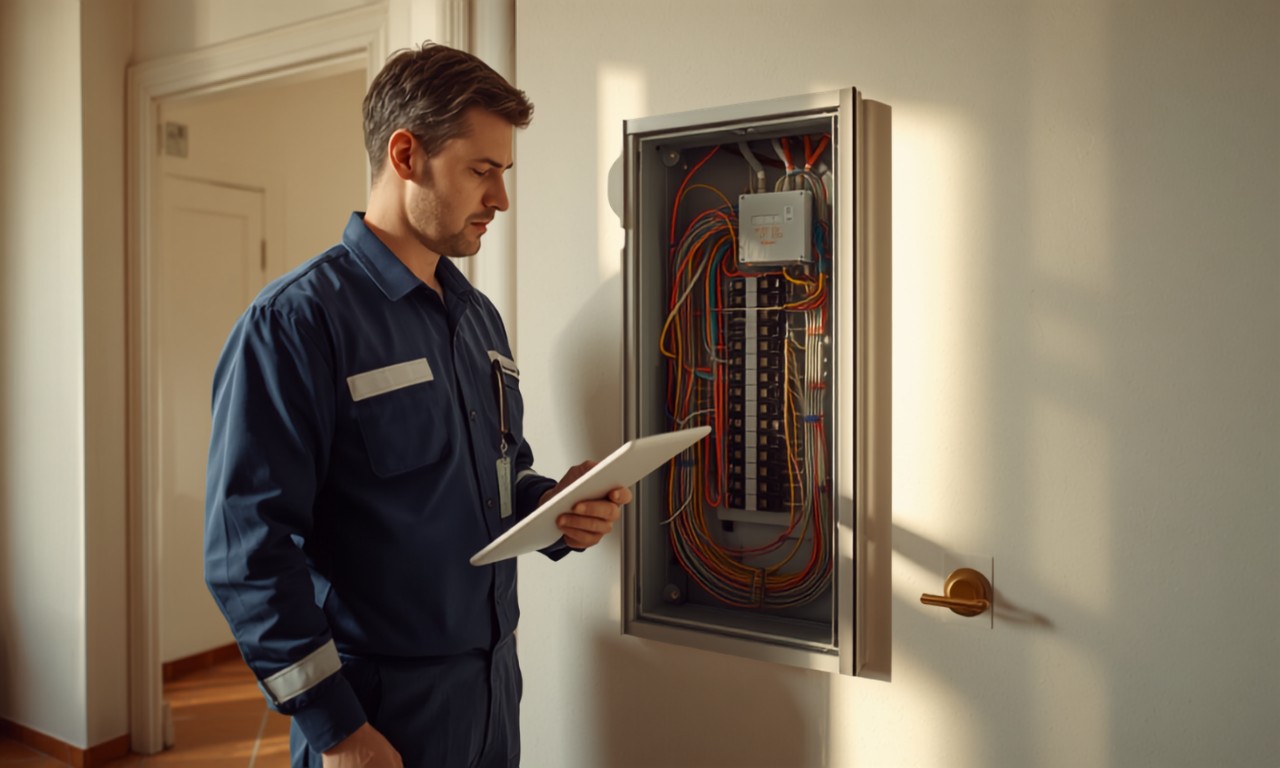
Modulo A12 (Gas Meter Correction Form): Filling-In Guide
What the Modulo A12 (gas meter correction form) is, how to fill it in and how PTZ electronic volume correctors work. A practical guide for technicians and system managers.
The Modulo A12 (gas meter correction form, also known as "modello A12 gas") is one of the most common - and most misunderstood - technical documents in the management of industrial and commercial gas delivery points. Anyone managing metering cabins, electronic volume correctors, or connection procedures with the local gas distributor sooner or later runs into it, often under different names: "modello A12", "modello a12 gas", "A12 correttore".
It's not a simple bureaucratic formality: it's the metrological ID card of the metering set. A poorly filled-in A12 leads to incorrect billing, disputes with the distributor, blocks in activating the supply and, in the worst cases, retroactive consumption recalculations that can be worth tens of thousands of euros for an industrial user.
In this guide we look at what it is, when it's needed, how to fill it in correctly, the technologies behind the PTZ volume correctors the form certifies, and how to set up maintenance that keeps the document always aligned with the actual system.
What the Modulo A12 gas form is and what it's for
In the regulatory and technical landscape of gas distribution, the Modulo A12 (often searched for as modello A12 or modello A12 gas) is a technical-administrative document used to communicate data relating to metering sets, in particular electronic volume correctors.
This form certifies that the measurement system has been installed, configured and tested according to the standards in force. It acts as a bridge between paperwork and technology: when a company installs an electronic conversion device, the distributor needs precise parameters in order to bill consumption correctly.
Accurate management of natural gas consumption in industrial and commercial settings requires not only state-of-the-art systems, but also rigorous documentation. Whether it's registering a new delivery point or certifying the installation of a modern volume corrector, thoroughly understanding this tool is essential for energy managers, maintenance technicians and building administrators alike.
The transition: from mechanical to electronic
In the past, mechanical meters recorded gas volume based solely on the physical movement of diaphragms or rotors. However, gas is a compressible fluid: its volume varies enormously depending on temperature and atmospheric pressure.
Today, the modern electronic modules associated with the Modulo A12 gas form allow for intelligent, dynamic readings, converting the geometric volumes measured by the meter into "Standard Cubic Metres" (Smc), ensuring fairness in billing.
Filling in and documentation: managing the modello A12
For anyone handling connection or upgrade procedures, obtaining the correct Modulo A12 gas PDF from your local distributor's website is the first step. A properly filled-in Modulo A12 gas form must include:
- The end user's identification details and the PDR code (Delivery Point).
- The brand, model and serial number of the gas meter.
- The details of the volume corrector (brand, model, serial number).
- The correction coefficients set (Pressure, Temperature, Z).
- The signature of the qualified technician who carried out the installation.
Practical tip: before sending the document, always keep a digital copy of the Modulo A12 gas form. Transcription errors at this stage can lead to bureaucratic blocks or incorrect estimates on the first bill.
The technological core: the volume corrector
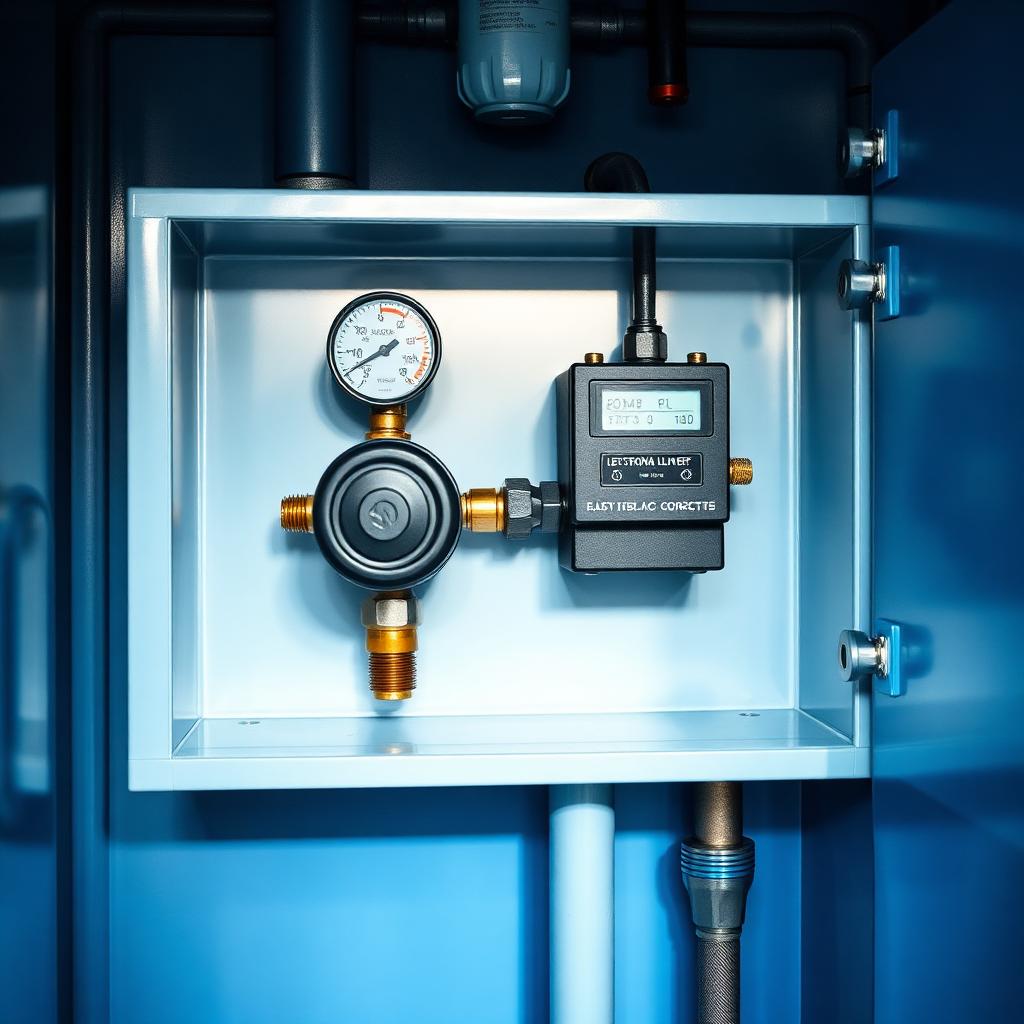
The administrative document exists to certify a specific piece of hardware that continuously performs pressure and temperature compensation when measuring gas.
### Calculating the PTZ factor
The main task of the electronic device is calculating the PTZ conversion factor. The formula applied takes into account three fundamental variables:
- P (Pressure): high-pressure gas occupies less volume. The sensor measures the actual pressure and relates it to the reference pressure.
- T (Temperature): gas expands with heat. The system compensates for temperature variations relative to the standard temperature (in Italy, usually 15°C).
- Z (Compressibility factor): a factor that corrects for the deviation of natural gas from ideal-gas behaviour.
Using high-quality hardware, combined with a correct declaration on the Modulo A12 form, is the most effective strategy for reducing measurement uncertainty in billing. Paying only for the actual energy consumed, and not for the thermal expansion of the gas, is vital for company budgets.
Installation and safety in gas systems
Installing these modules isn't simple plumbing work: it requires advanced electronic and IT skills, along with compliance with strict safety standards.
### Components and configuration
To make the mechanical meter communicate with the electronic intelligence, careful configuration of the pulse inputs is required. The meter sends pulses (often low-frequency) to the corrector: each pulse represents a specific volume (e.g. 1 pulse = 0.1 cubic metres). If this configuration, declared on the modello A12 gas form, isn't set correctly, the entire reading system will be skewed.
The device must also be interfaced with compatible sensors: highly precise piezoresistive pressure sensors and PT1000 temperature probes must be wired and insulated perfectly.
### ATEX safety and certifications
Gas pressure-reduction and metering cabins are potentially explosive environments (ATEX zones). It's mandatory to use only intrinsically safe equipment, designed so that the electrical or thermal energy available in the circuit isn't enough to ignite a flammable gas mixture.
From a metrological standpoint, it's imperative to install only MID-approved volume correctors. The European Measuring Instruments Directive (MID) ensures the device has been tested to maintain its declared accuracy throughout its entire life cycle.
Maintenance, calibration and common problems
Once the Modulo A12 gas form has been filled in and the system started up, the job isn't finished. The electronics require periodic care to ensure long-term accuracy.
### The scheduled maintenance plan
A typical checklist includes:
- Visual check of the metrological seals' integrity.
- Checking the display is readable.
- Inspecting the connection cables between the meter, probes and corrector.
### System calibration
In Italy, standards (such as UNI 10436 or ARERA provisions) set regular intervals at which volume correctors must be verified. The calibration process requires certified instrumentation to inject known pressure and temperature values and check that the electronic module returns the correct PTZ factor.
### Battery replacement
Since most of these devices are located in places without mains power, they run on batteries. Replacement is generally scheduled every 5-10 years, depending on how much the built-in modem is used for data transmission. It's essential to use the specific batteries supplied by the manufacturer to maintain intrinsic-safety (ATEX) certification.
### Troubleshooting common problems
The most frequent issues include:
- Pressure alarms: often caused by obstructions in the pressure tap or condensation in the sensor's tubing.
- Missing pulse reception: caused by cut cables or damage to the pulse emitter on the primary meter.
- Communication errors: if the modem isn't transmitting, it could be a signal coverage issue or a low battery.
Reading the data and optimizing costs
The modern devices associated with the Modulo A12 gas form offer two options. The first is local reading via the LCD display, where you can navigate menus to view the base volume (uncorrected), the corrected volume (Smc), instantaneous pressure and temperature, and the alarm history.
### Remote reading and control
The real revolution lies in remote metering. Modern volume correctors are equipped with communication modules (GSM, GPRS, or IoT technologies such as NB-IoT) that send data packets at regular intervals, daily or even hourly.
The benefits include:
- Billing on actual consumption: no more bills based on estimates and the heavy balancing adjustments that follow.
- Consumption profile analysis: identifying unusual peaks helps optimize industrial processes or better regulate heating systems.
- Real-time alarms: in the event of a break or pressure drop, the system sends an SMS or email to maintenance managers, enabling prompt intervention.
Frequently asked questions about the Modulo A12 gas form
What exactly is the Modulo A12 gas form for? It's used to report to the local distributor the technical data of the metering set installed at the PDR: meter, volume corrector, set PTZ coefficients and the signature of the qualified technician. It's the basis on which the distributor will bill consumption.
Who can fill in and sign the Modulo A12? It must be filled in and signed by a qualified technician from the company that installed or modified the metering set, in line with what the local distributor requires and the applicable technical standards (UNI 10436, ARERA provisions).
Where can I download the Modulo A12 gas form in PDF? The A12 form isn't a single national document: each local distributor (Italgas, 2i Rete Gas, Unareti, etc.) publishes its own version on its portal. Always use the form of the distributor managing that specific PDR.
What happens if the PTZ coefficients are wrong? The corrector will return an Smc volume that doesn't match the gas actually delivered. The typical result is systematic incorrect billing, which, once discovered, generates retroactive balancing adjustments - sometimes substantial - against either the user or the distributor, depending on the direction of the error.
How often does the Modulo A12 need to be redone? It needs to be redone every time a component of the metering set changes: replacing the meter, replacing the corrector, changing pressure or temperature sensors, or modifying the set coefficients. Routine periodic readings alone don't require a new A12.
Is the Modulo A12 linked to the DM 37/2008 declaration of conformity? Yes. For gas systems subject to DM 37/2008, the installation company's DiCo and the Modulo A12 must be consistent on the metering set's data: serial numbers, brands and models must match in both documents.
What changes with remote metering? With remote metering, the data recorded by the corrector is sent to the distributor automatically. The Modulo A12 remains necessary when installing or modifying the system, but data consistency becomes even more critical: an incorrect A12 translates into continuously wrong data being sent.
Conclusion
Managing industrial energy consumption is a complex ecosystem where technical accuracy and administrative compliance must go hand in hand. The Modulo A12 gas form (or modello A12) isn't a simple piece of paperwork to fill in and forget: it's the true ID card of your measurement system.
Making sure the system uses high-quality electronic devices, with MID certification and intrinsic safety, and keeping up a rigorous maintenance and calibration schedule, guarantees reliable readings and turns a bureaucratic obligation into a genuine competitive advantage.
Want to see it on your own workflow?
Free 6-week pilot with your technicians. Reply within 24 hours.